May 16, 2026 · By Talhah Bilal, ISSA-CPT
Hormone Optimization for Men Over 35: Naturally Burn Stubborn Fat (2026)

You're hitting the gym, watching what you eat, yet that stubborn belly fat won't budge. For men over 35, this isn't just bad luck; it's often a hormonal signal. Ignoring these signals means fighting an uphill battle for fat loss and energy.
The Belly Fat Stall: Is Your Testosterone to Blame?
Testosterone, the primary male sex hormone, plays a crucial role in muscle growth, bone density, and fat metabolism. As men age past 35, natural testosterone levels can begin to decline, often by 1-2% per year. This drop can shift your body's composition, making it easier to store fat, particularly around the midsection, and harder to lose it, even with consistent effort. Studies show lower testosterone is strongly correlated with increased abdominal adiposity. (Source: Journal of Clinical Endocrinology & Metabolism)
For you, this means that the hormonal environment is changing. What worked in your 20s might not be effective now. A suboptimal testosterone level can create a 'storage' mode for your body, prioritizing fat gain over lean muscle preservation, directly impacting your fitness goals and appearance.
Focus on foundational lifestyle factors that support healthy testosterone production. Prioritize 7-9 hours of quality sleep per night, manage stress effectively through techniques like deep breathing or meditation, and ensure your diet provides sufficient healthy fats and micronutrients like zinc and vitamin D.
The Fix
THE FIX: Optimize sleep and stress. Aim for 7-9 hours of uninterrupted sleep. Implement a 10-minute daily stress reduction protocol: Box breathing (inhale 4s, hold 4s, exhale 6s) or mindful walking. Consider daily Vitamin D3 (5000 IU) and Zinc (30mg) to support hormonal health.
Muscle Mass Erosion: A Hormonal Warning Sign
Beyond fat storage, declining testosterone and increasing cortisol (the stress hormone) can create a catabolic state, meaning your body begins to break down muscle tissue for energy. This is counterintuitive to lifting weights, where the goal is muscle hypertrophy. A study in the 'Aging Male' journal highlighted how even with resistance training, lower anabolic hormone levels can hinder muscle protein synthesis, leading to frustrating losses in strength and size.
If you're lifting consistently, following progressive overload principles, yet seeing your strength plateau or even decrease, and your muscles feel less full, it’s a strong indicator that your hormonal profile might be working against you. This makes recovery harder and progress slower.
Maximize muscle retention and growth by ensuring adequate protein intake and smart training recovery. Post-workout nutrition is key for muscle repair and synthesis. Resistance training frequency should also be managed; avoid excessive volume that could elevate cortisol further.
The Fix
THE FIX: Protein and strategic recovery. Consume 1.6-2.2g of protein per kilogram of bodyweight daily. Focus post-workout: 30-40g of whey protein within 60 minutes of training. Incorporate 1-2 sessions per week of low-intensity steady-state cardio or active recovery like foam rolling to manage cortisol.
The Energy Drain: Chronic Fatigue and Low Drive
Feeling constantly drained, unmotivated, and just 'off'? This pervasive fatigue isn't just from a busy schedule. Hormonal imbalances, particularly low testosterone and potentially thyroid issues, significantly impact energy levels and overall vitality. Chronic stress also depletes essential nutrients and can dysregulate neurotransmitters, leading to mental fogginess and low mood. Research published in 'Hormone Research in Paediatrics' consistently links low T with decreased energy and poorer quality of life.
For men over 35, this persistent lack of energy can sabotage workouts, impact work performance, and strain relationships. It creates a vicious cycle: low energy leads to less activity, which further hinders fat loss and hormonal health.
Address this by focusing on nutrient density and prioritizing energy-producing cellular functions. Ensure you're not deficient in key vitamins and minerals that support energy metabolism and hormone production. Consider supplements that have a robust scientific backing for supporting energy and stress response.
The Fix
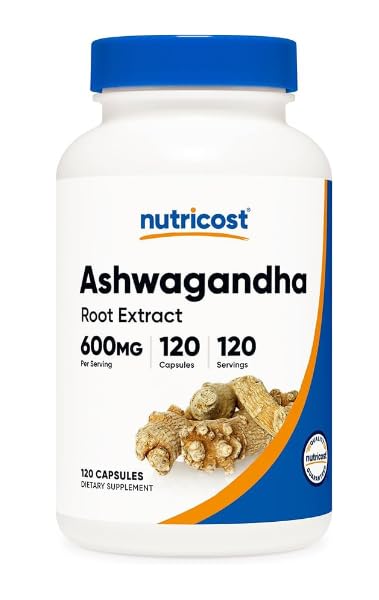
THE FIX: Nutrient density and foundational supplements. Eat a whole-foods-based diet, rich in vegetables, lean proteins, and healthy fats. Ensure adequate intake of Magnesium Glycinate (400mg daily) for energy metabolism and stress response, and consider Ashwagandha (600mg daily) for cortisol management and energy support.
Sleep Sabotage: The Cycle of Poor Rest and Hormones
Hormonal optimization is a two-way street with sleep. Imbalances like low testosterone or elevated cortisol can disrupt sleep architecture, leading to frequent awakenings and reduced deep sleep. Conversely, consistently poor sleep (less than 6 hours) is known to suppress testosterone production and increase cortisol, creating a detrimental feedback loop. The American Academy of Sleep Medicine links insufficient sleep with adverse metabolic outcomes.
If you're tossing and turning, waking up frequently, or feeling groggy even after what feels like a full night, your hormones are likely contributing to or suffering from it. This lack of quality rest hampers muscle repair, cognitive function, and crucially, fat loss efforts.
Implement a strict sleep hygiene protocol. Create a dark, cool, and quiet sleep environment. Avoid screens for at least an hour before bed, and consider natural sleep aids with proven efficacy if sleep remains elusive.
The Fix
THE FIX: Sleep hygiene and targeted support. Establish a consistent sleep schedule (even on weekends). Optimize your bedroom for darkness and cool temperatures (18-20°C). If needed, consider 3-5mg of Melatonin 30 minutes before bed, taken consistently for short-term use.
Libido and Drive: The Sexual Health Connection
A noticeable decline in libido or sexual function is a classic, often undeniable, sign of hormonal shifts. Testosterone is intrinsically linked to male sexual desire and performance. When levels dip, so does drive. Furthermore, chronic stress and poor sleep, often consequences of hormonal imbalance, further dampen libido. A meta-analysis in 'The Journal of Sexual Medicine' confirmed the strong association between testosterone levels and male sexual desire.
For men over 35, this isn't just about sex; it's a signal about your overall endocrine health and vitality. Low libido can be frustrating and impact confidence, further exacerbating stress and potentially worsening hormonal issues.
Rebuilding libido involves addressing the root hormonal causes, but also supporting circulation and stress resilience. Focus on a holistic approach encompassing diet, exercise, stress management, and targeted supplementation.
The Fix
THE FIX: Holistic libido support. Ensure adequate intake of healthy fats (avocado, nuts, olive oil). Incorporate regular cardiovascular exercise to improve circulation. Consider Tongkat Ali (200-400mg daily) known for its potential benefits on male vitality and libido, supporting healthy testosterone levels.
What I Use
Here’s my gear if you’re curious. No pressure.



FAQ
Can hormone optimization really help me lose fat naturally over 35?
Yes, by addressing imbalances that promote fat storage and hinder metabolism, you can create a more favorable internal environment for fat loss. This complements diet and exercise.
How quickly can I expect to see results from hormone optimization?
Results vary, but noticeable improvements in energy, sleep, and mood can occur within 2-4 weeks. Visible changes in body composition may take 8-12 weeks with consistent lifestyle changes and targeted support.
Free: 7-Day Fat Burn Kickstart Plan
From Our Network