May 15, 2026 · By Talhah Bilal, ISSA-CPT
Hydration Myths: How Much Water You ACTUALLY Need (2024)
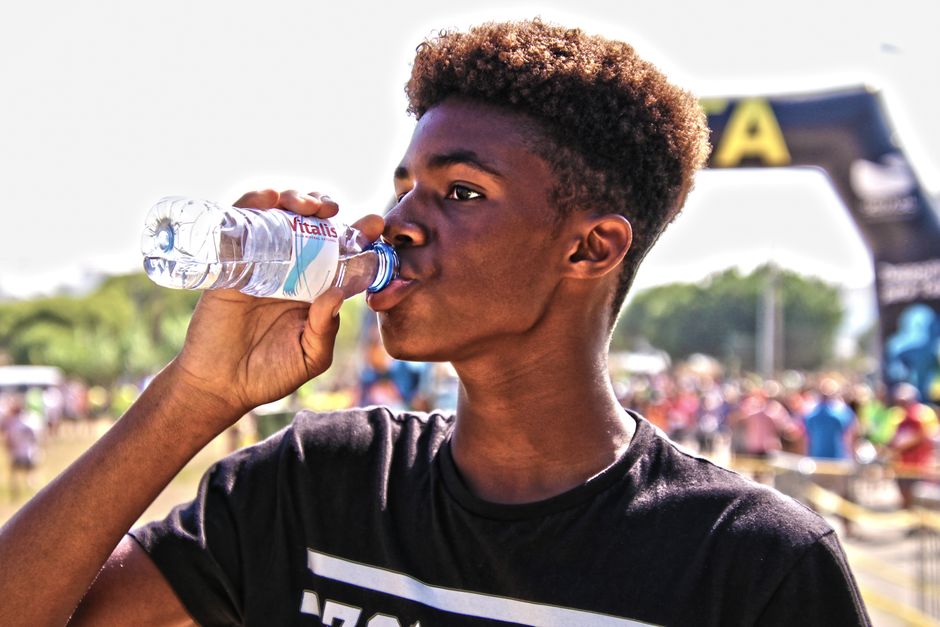
Are you still following the outdated '8 glasses a day' rule? For active men over 35, that's likely not enough. Discover the real factors that determine your optimal hydration level and how to stay properly fueled for peak performance.
Myth #1: Thirst Is a Reliable Indicator
Relying solely on thirst to gauge hydration is risky, especially for older adults. The thirst mechanism becomes less sensitive with age, meaning you might be dehydrated before you even feel thirsty. A 2016 study in the *European Journal of Applied Physiology* demonstrated that older adults exhibited impaired thirst perception during exercise compared to younger individuals, leading to greater dehydration.
For men over 35, this means waiting until you're thirsty can significantly impact workout performance, cognitive function, and even recovery. Chronic mild dehydration can also contribute to issues like constipation, kidney stones, and decreased energy levels.
Proactively hydrating throughout the day, even when you don't feel thirsty, is crucial. Don't wait until you're already feeling the effects of dehydration.
The Fix
THE FIX: Implement a scheduled hydration routine. Drink 8-12 oz of water upon waking, before meals, and before/during/after workouts. Monitor urine color; aim for light yellow.
The Electrolyte Connection: More Than Just Water
Water alone isn't always enough, especially if you're physically active. Electrolytes – sodium, potassium, magnesium, and calcium – are lost through sweat and play a vital role in fluid balance, muscle function, and nerve transmission. Plain water can dilute electrolyte levels, potentially leading to hyponatremia (low sodium levels) during intense or prolonged exercise.
Men over 35 who engage in regular training need to be particularly mindful of electrolyte replenishment. As we age, our bodies become less efficient at regulating fluid balance, increasing the risk of electrolyte imbalances.
Consider that sodium losses can range from 500mg to over 2000mg per liter of sweat, depending on individual sweat rate and sodium concentration. Potassium and magnesium are lost at lower rates, but can be significant in longer duration activities.
The Fix
THE FIX: During workouts exceeding 60 minutes or in hot/humid conditions, consume an electrolyte drink or supplement. Aim for a product containing at least 200-500mg sodium, 50-100mg potassium, and some magnesium per serving.
Activity Level: A Key Hydration Driver
Sedentary individuals have lower water requirements than active individuals. Exercise increases sweat rate and respiratory water loss, necessitating higher fluid intake to maintain hydration. The American College of Sports Medicine recommends drinking approximately 16-20 ounces of fluid for every pound of body weight lost during exercise.
Men over 35 who are trying to maintain or build muscle mass need to be especially vigilant about hydration. Adequate water intake is crucial for nutrient transport, muscle protein synthesis, and overall recovery.
Consider that even moderate exercise can significantly increase water needs. A brisk walk or light jog can elevate sweat rate by 0.5-1 liter per hour, depending on environmental conditions.
The Fix
THE FIX: Track your sweat rate during workouts by weighing yourself before and after exercise. For every pound lost, drink 20-24 ounces of fluid to replenish lost fluids.
Body Weight: Your Personal Hydration Baseline
A general guideline for daily water intake is to consume 0.5-1 ounce of water per pound of body weight. This provides a starting point, but individual needs can vary based on activity level, climate, and other factors.
For men over 35, especially those with higher muscle mass, the upper end of this range is often more appropriate. Muscle tissue holds more water than fat tissue, so individuals with more muscle mass require more water to maintain hydration.
Use this calculation as a base. For a 200-pound man, this would be 100-200 ounces of water per day.
The Fix
THE FIX: Calculate your estimated daily water needs based on your body weight. Monitor urine color and adjust intake accordingly. Dark urine indicates dehydration; aim for light yellow.
Medications and Hydration: Be Aware of Increased Water Loss
Certain medications, such as diuretics (water pills) and some blood pressure medications, can increase urine output and lead to greater water loss. If you're taking any medications, it's essential to discuss potential hydration implications with your doctor.
For men over 35, this is particularly important as the prevalence of medication use tends to increase with age. Being aware of potential medication-related dehydration risks is crucial for maintaining optimal health and performance.
Consider that some over-the-counter medications, such as antihistamines and decongestants, can also have a drying effect and increase fluid requirements.
The Fix
THE FIX: If you're taking medications that increase water loss, increase your daily water intake accordingly. Consult with your doctor or pharmacist for personalized recommendations.
What I Use
Here’s my gear if you’re curious. No pressure.


FAQ
Is sports drinks always necessary for hydration?
No, sports drinks are generally not necessary for workouts lasting less than 60 minutes. Water is usually sufficient for shorter durations. For longer workouts, sports drinks can help replenish electrolytes and carbohydrates lost through sweat.
Can you drink too much water?
Yes, it is possible to drink too much water, leading to a condition called hyponatremia (low sodium levels). This is more likely to occur when consuming excessive amounts of water without adequate electrolyte intake, especially during prolonged exercise. Aim for balance and listen to your body.
Free: 7-Day Fat Burn Kickstart Plan
From Our Network