May 10, 2026 · By Talhah Bilal, ISSA-CPT
Micronutrient Deficiencies: 5 Simple Fixes Over 35 (2026)

Many men over 35 experience a gradual decline in energy, performance, and overall well-being. While often attributed to aging, subtle micronutrient deficiencies are frequently the real culprit. Addressing these gaps can have a significant impact on vitality and longevity.
Vitamin D: Combatting Chronic Deficiency
Vitamin D is crucial for calcium absorption, bone health, immune function, and even mood regulation. Studies show that a significant portion of the adult population, particularly those living in northern latitudes or with limited sun exposure, are deficient (Holick, 2004). This deficiency can manifest as fatigue, weakened immunity, and increased risk of bone fractures.
As men age, their skin's ability to synthesize vitamin D from sunlight decreases, making them more susceptible to deficiency. This is compounded by lifestyle factors like spending more time indoors and decreased physical activity.
Regularly monitor your vitamin D levels via a blood test. Incorporate vitamin D-rich foods like fatty fish (salmon, tuna) and fortified dairy products into your diet. Supplementation is often necessary to achieve optimal levels.
The Fix
THE FIX: Supplement with 2000-5000 IU of vitamin D3 daily, especially during winter months. Get your vitamin D levels tested annually by your doctor to personalize your dosage.
Magnesium: Essential for Sleep and Muscle Function
Magnesium is involved in over 300 enzymatic reactions in the body, including muscle contraction, nerve function, blood sugar control, and blood pressure regulation. It also plays a crucial role in sleep quality and reducing anxiety. Unfortunately, magnesium deficiency is widespread due to poor dietary choices and soil depletion.
Older men often experience age-related declines in magnesium absorption. This can exacerbate muscle cramps, sleep disturbances, and even increase the risk of cardiovascular issues. Furthermore, stress can deplete magnesium levels, creating a vicious cycle.
Increase your intake of magnesium-rich foods such as leafy green vegetables (spinach, kale), nuts, seeds, and whole grains. Supplementation can also be a helpful way to ensure you're meeting your daily magnesium needs.
The Fix
THE FIX: Supplement with 200-400mg of magnesium glycinate before bed to improve sleep quality and reduce muscle cramps. Glycinate is better absorbed and less likely to cause digestive issues than other forms of magnesium.
Zinc: Boosting Testosterone and Immune Health
Zinc is an essential mineral for immune function, wound healing, protein synthesis, and cell division. It's also vital for testosterone production and male reproductive health. Deficiencies can lead to impaired immune response, decreased libido, and reduced muscle growth.
Testosterone levels naturally decline with age, and zinc deficiency can accelerate this process. Men over 35 who are physically active or under stress may have increased zinc requirements.
Consume zinc-rich foods like oysters, beef, pumpkin seeds, and beans. If you suspect a deficiency, consider supplementation, but be mindful of the upper limit (40mg daily) to avoid adverse effects.
The Fix
THE FIX: Supplement with 15-30mg of zinc daily, preferably with a meal to improve absorption. Consider taking zinc picolinate for enhanced bioavailability.
Omega-3 Fatty Acids: Protecting Heart and Brain Health
Omega-3 fatty acids, particularly EPA and DHA, are crucial for cardiovascular health, brain function, and reducing inflammation. They play a role in maintaining healthy cholesterol levels, improving cognitive function, and supporting joint health. The typical Western diet is often deficient in omega-3s while being high in omega-6s, leading to an imbalance that promotes inflammation.
As men age, maintaining optimal heart and brain health becomes increasingly important. Omega-3s can help mitigate age-related cognitive decline and reduce the risk of cardiovascular disease.
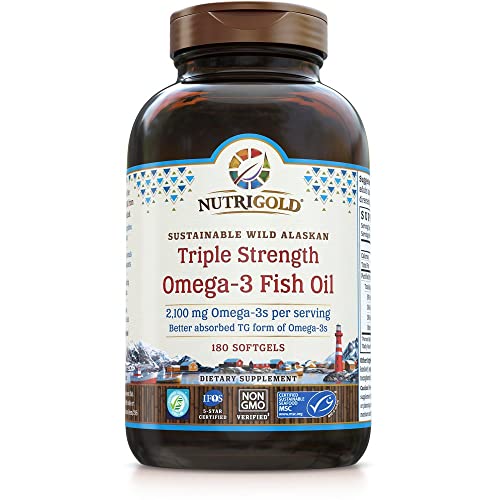
Prioritize consuming fatty fish like salmon, mackerel, and sardines at least twice a week. If you don't regularly eat fish, consider supplementing with a high-quality fish oil or algal oil supplement.
The Fix
THE FIX: Supplement with 2-3 grams of combined EPA and DHA daily. Look for a fish oil supplement that is third-party tested for purity and potency.
Potassium: Balancing Sodium and Regulating Blood Pressure
Potassium is an electrolyte that plays a critical role in maintaining fluid balance, nerve function, and muscle contractions. It also helps regulate blood pressure by counteracting the effects of sodium. Many processed foods are high in sodium and low in potassium, contributing to an imbalance that can elevate blood pressure.
Men over 35 are at increased risk of developing high blood pressure, making adequate potassium intake even more important. Furthermore, strenuous exercise can deplete potassium levels through sweat, increasing the need for replenishment.
Increase your intake of potassium-rich foods like bananas, sweet potatoes, spinach, and avocados. Be mindful of your sodium intake and aim for a balanced ratio of sodium to potassium.
The Fix
THE FIX: Aim for at least 3500-4700mg of potassium per day through diet. If you are using a salt substitute (potassium chloride), consult your doctor first, especially if you have kidney issues.
What I Use
Here’s my gear if you’re curious. No pressure.


FAQ
Can I get enough micronutrients from my diet alone?
While a balanced diet is ideal, modern farming practices and processed foods often deplete nutrient content. Supplementation can help fill in the gaps and ensure you're meeting your daily requirements.
Should I get my micronutrient levels tested?
Yes, blood tests can provide valuable insights into your nutrient status. Consult your doctor to determine which tests are appropriate and to interpret the results.
Free: 7-Day Fat Burn Kickstart Plan
From Our Network