May 19, 2026 · By Talhah Bilal, ISSA-CPT
Cortisol Control: Stop Stress Sabotaging Fat Loss After 35

Feeling like you're doing everything right with your diet and workouts, but still not seeing results? Chronic stress and elevated cortisol could be the hidden culprit. Learn how managing your stress can unlock the fat loss you've been working so hard for.
The Cortisol-Fat Connection: Why Stress Makes You Store Fat
Cortisol, the body's primary stress hormone, plays a crucial role in regulating energy. When chronically elevated due to ongoing stress, it promotes the storage of fat, particularly visceral fat around the abdomen. This is because cortisol increases appetite and cravings for high-calorie foods while simultaneously inhibiting fat breakdown. A 2006 study in *Psychosomatic Medicine* found that individuals with higher cortisol reactivity to stress had greater abdominal fat accumulation.
Men over 35 often face increased life stressors—career demands, family responsibilities, and age-related physical changes. These stressors can lead to chronically elevated cortisol levels, making it significantly harder to lose fat and maintain a healthy weight. Furthermore, elevated cortisol can interfere with testosterone production, further compounding the problem.
The cycle becomes self-perpetuating: stress leads to cortisol elevation, which leads to fat storage, which leads to more stress about body image, which further elevates cortisol.
The Fix
THE FIX: Start a daily stress journal. Write down the top three stressors you experienced each day and brainstorm one actionable step you can take to mitigate each one. Awareness is the first step to control.
Sleep Deprivation: The Silent Cortisol Killer
Chronic sleep deprivation is a major driver of elevated cortisol. Even a single night of poor sleep can significantly increase cortisol levels the following day. Research published in the *Journal of Clinical Endocrinology & Metabolism* demonstrated that restricting sleep to 4 hours per night for just a few days led to a significant increase in cortisol production.
As men age, sleep quality often declines. This can be due to various factors, including hormonal changes, increased stress, and lifestyle habits. The combination of age-related sleep disturbances and general life stress creates a perfect storm for chronic cortisol elevation and its associated negative effects.
Prioritizing sleep is not a luxury; it's a necessity for managing cortisol and supporting overall health. A consistent sleep schedule helps regulate the body's natural circadian rhythm and reduces the likelihood of cortisol spikes.
The Fix
THE FIX: Aim for 7-9 hours of quality sleep each night. Create a relaxing bedtime routine that includes activities like reading, taking a warm bath, or meditating. Make sure your bedroom is dark, quiet, and cool. Consider using a sleep tracker to monitor your sleep quality.
Caffeine and Cortisol: A Double-Edged Sword
Caffeine is a stimulant that can increase cortisol levels, particularly when consumed in large quantities or late in the day. While caffeine can enhance focus and energy, its impact on cortisol should be carefully considered. Studies show that caffeine increases cortisol levels, especially in those not accustomed to it.
Men over 35 may be more sensitive to the effects of caffeine on cortisol due to age-related changes in metabolism and stress response. What you could tolerate in your 20s might now lead to anxiety and sleep disruption in your 40s.
Timing your caffeine intake strategically is crucial. Consuming caffeine early in the day and avoiding it in the afternoon and evening can minimize its impact on cortisol levels and sleep quality.
The Fix
THE FIX: Limit caffeine intake after 2 PM. If you're particularly sensitive to caffeine, consider reducing your overall consumption. Opt for herbal teas or decaf coffee in the afternoon and evening.
Adaptogens: Nature's Stress Buffer
Adaptogens are natural substances that help the body adapt to stress and maintain homeostasis. *Ashwagandha*, for example, has been shown to reduce cortisol levels and improve resilience to stress. A study published in the *Indian Journal of Psychological Medicine* found that ashwagandha supplementation significantly reduced cortisol levels in chronically stressed individuals.
For men over 35, adaptogens can be a valuable tool for managing stress and supporting overall well-being. They can help mitigate the negative effects of chronic stress on hormones, energy levels, and immune function.
Adaptogens work best as part of a comprehensive stress management strategy that includes adequate sleep, proper nutrition, and regular exercise. They are not a magic bullet, but they can provide valuable support.
The Fix
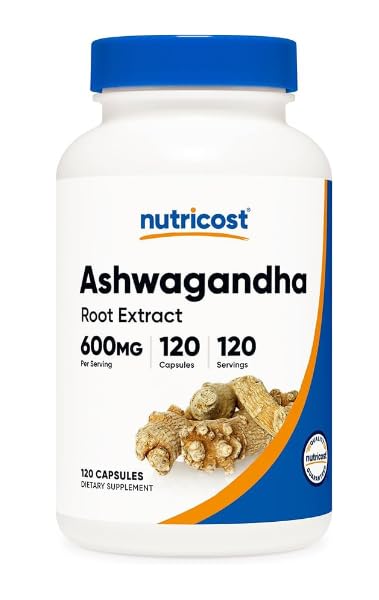
THE FIX: Consider supplementing with ashwagandha. A typical dose is 300-500mg of a standardized extract (e.g., KSM-66) taken daily. Consult with your doctor before starting any new supplement regimen.
Exercise: Finding the Sweet Spot for Cortisol Control
While exercise is generally beneficial for overall health, intense or prolonged exercise can actually increase cortisol levels. Finding the right balance between challenging workouts and adequate recovery is essential for managing cortisol.
Men over 35 should prioritize moderate-intensity exercise and avoid overtraining. Overtraining can lead to chronically elevated cortisol, which can sabotage fat loss and negatively impact overall health. Focus on consistency over intensity.
Prioritize recovery. Adequate sleep, proper nutrition, and active recovery techniques like stretching and foam rolling are crucial for minimizing the stress response to exercise.
The Fix
THE FIX: Aim for 3-4 moderate-intensity workouts per week, lasting no more than 60 minutes each. Incorporate rest days and active recovery sessions into your routine. Focus on compound exercises and prioritize proper form over lifting heavy weights.
What I Use
Here’s my gear if you’re curious. No pressure.


FAQ
Can stress really prevent fat loss?
Yes, chronic stress elevates cortisol, which promotes fat storage, increases cravings for unhealthy foods, and can disrupt sleep. Managing stress is crucial for successful fat loss.
How much sleep do I really need to manage cortisol?
Aim for 7-9 hours of quality sleep each night. A consistent sleep schedule and a relaxing bedtime routine can significantly improve your sleep quality and reduce cortisol levels.
Free: 7-Day Fat Burn Kickstart Plan
From Our Network