May 11, 2026 · By Talhah Bilal, ISSA-CPT
Stubborn Fat: 5 Real Ways to Target It After 35
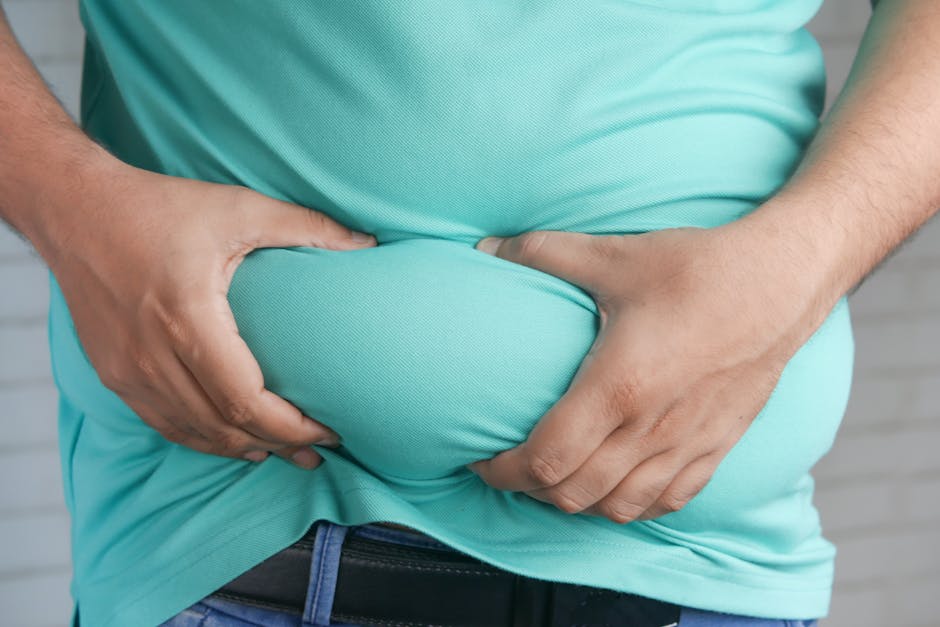
Stubborn fat feels different. It hangs on despite your best efforts. This isn't just in your head — research suggests these areas have poorer blood flow and different receptor profiles, making them harder to mobilize, especially as we age.
Prioritize Overall Fat Loss First (No Magic Bullet)
The uncomfortable truth is that you can't truly spot-reduce fat. While some areas might be more resistant, the foundation is still a caloric deficit. Your body pulls fat from all over, just not always in the order you'd prefer. A study in the *American Journal of Clinical Nutrition* showed that while exercise reduces overall body fat, it doesn't selectively target fat in the exercised region.
As men age, our metabolism naturally slows down, and we tend to lose muscle mass. This makes achieving a caloric deficit harder. You might need to eat less than you did in your 20s to see the same results. Focusing on sustainable, long-term habits is key.
Start by calculating your Total Daily Energy Expenditure (TDEE) using an online calculator. Track your food intake for a week to see how many calories you're currently consuming. Then, create a moderate deficit of 300-500 calories per day through diet and exercise.
The Fix
THE FIX: Use a TDEE calculator to find your maintenance calories. Subtract 300-500 calories per day to create a sustainable deficit. Track your food using a food scale and an app like MyFitnessPal.
Adjust Your Macros to Dial in a Small Deficit
While overall calories are king, macronutrient ratios play a supporting role. A higher protein intake helps preserve muscle mass during a cut, which is crucial for maintaining your metabolism. Protein also has a higher thermic effect of food (TEF), meaning your body burns more calories digesting it. Research consistently demonstrates the benefits of higher protein diets for fat loss.
Men over 35 often find it harder to build and maintain muscle. Prioritizing protein helps offset this. Additionally, adequate fiber intake is important for satiety and blood sugar control, making it easier to stick to your deficit.
Aim for 1 gram of protein per pound of bodyweight. Fill the rest of your calories with healthy fats and complex carbohydrates, adjusting based on your individual preferences and how you feel. Don't drastically cut carbs – they're important for energy, especially if you're training hard. Experiment to find what works best for you.
The Fix
THE FIX: Target 1 gram of protein per pound of bodyweight daily. Get most of your carbs from whole, unprocessed sources. Include healthy fats like avocados, nuts, and olive oil.
Time Your Caffeine Strategically Pre-Workout
Caffeine is a well-studied ergogenic aid that can enhance performance and potentially increase fat oxidation. It works by stimulating the central nervous system and increasing the release of adrenaline. This can improve focus, reduce perceived exertion, and help you push harder in your workouts. A meta-analysis published in *Obesity Reviews* found a significant positive association between caffeine intake and weight loss.
As we get older, we might become more sensitive to the negative side effects of caffeine, such as anxiety or sleep disturbances. Finding the right dose and timing is crucial. Caffeine also appears to mobilize free fatty acids in the blood, making them available to be burned, so it is very effective pre-exercise.
Take 100-200mg of caffeine 30-60 minutes before your workout. Start with a lower dose to assess your tolerance. Avoid caffeine later in the day to prevent sleep problems.
The Fix
THE FIX: Take 100-200mg caffeine pre-workout for enhanced focus and fat oxidation. Do not use caffeine later than 2 PM to avoid sleep disruption.
Incorporate HIIT for Calorie Burn After Lifting
High-Intensity Interval Training (HIIT) involves short bursts of intense exercise followed by brief recovery periods. It's an efficient way to burn calories and improve cardiovascular fitness. Studies show that HIIT can be more effective than steady-state cardio for fat loss, particularly in the abdominal region.
After 35, recovery becomes more important. HIIT can be a great option because it's time-efficient, but it also puts a higher demand on your body. Don't overdo it, especially if you're already lifting weights. Consider pairing it with resistance training on days you are not lifting for faster fat loss results.
Do 10-20 minutes of HIIT after your weightlifting sessions. Choose exercises like sprints, burpees, or jump squats. Alternate between 30 seconds of high-intensity effort and 30 seconds of rest. Adjust the work/rest ratio based on your fitness level.
The Fix
THE FIX: Perform 10-20 minutes of HIIT after weightlifting or on off days. Use a 30-second on/30-second off interval with exercises like sprints or burpees.
Consider Yohimbine (But Do Your Research First)
Yohimbine is an alpha-2 adrenergic receptor antagonist. In simpler terms, it blocks receptors that inhibit fat burning, particularly in stubborn areas like the lower abdomen and hips. It may increase blood flow to these areas, facilitating fat mobilization. However, research on yohimbine is mixed, and it's not suitable for everyone.
Men over 35 should be extra cautious when using yohimbine. It can raise blood pressure and cause anxiety, especially in those with pre-existing conditions. It's essential to talk to your doctor before using it. It is most effective when taken in a fasted state.
Start with a low dose of 0.2mg per kg of bodyweight, taken on an empty stomach before fasted cardio. Monitor your blood pressure and heart rate. Discontinue use if you experience any adverse effects.
The Fix
THE FIX: If you choose to use yohimbine, start with a low dose (0.2mg/kg) on an empty stomach. Monitor your blood pressure and discontinue use if you experience side effects. Consult with your physician first.
What I Use
Here’s my gear if you’re curious. No pressure.


FAQ
Can I target belly fat specifically with certain exercises?
While you can't spot-reduce fat, exercises like planks and Russian twists can strengthen the core muscles underneath. Overall fat loss will reveal those muscles.
How much cardio should I do to lose stubborn fat?
Aim for 150-200 minutes of moderate-intensity cardio or 75-100 minutes of high-intensity cardio per week. Combine this with a calorie deficit for optimal results.
Free: 7-Day Fat Burn Kickstart Plan
From Our Network