May 01, 2026 · By Talhah Bilal, ISSA-CPT
Stop Trusting the Scale: Real Fat Loss Metrics for Men Over 35 (2026)
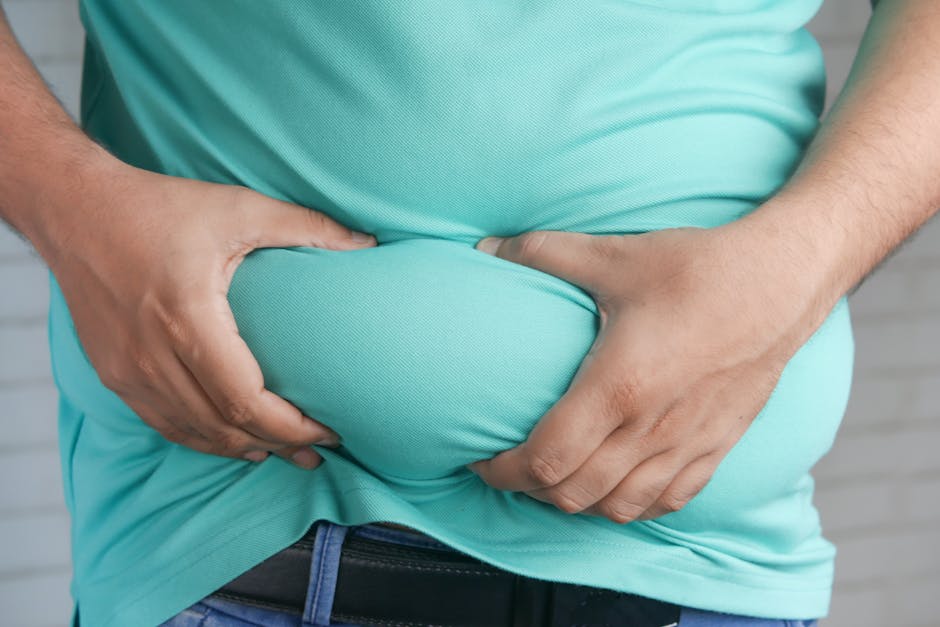
The number on the scale fluctuates daily, influenced by water, food, and even your last workout. For men over 35, fixating on it can be a recipe for frustration and misunderstanding your actual progress.
Beyond the Scale: Why Circumference Matters
Muscle is denser than fat. This means you can gain muscle and lose fat simultaneously, leading to a stable or even increased scale weight while your body composition improves. Studies show that waist circumference is a better predictor of visceral fat, a key health risk factor, than overall weight alone.
As we age, hormonal shifts can make stubborn belly fat harder to lose and easier to gain. Tracking your waistline directly addresses this common concern, providing tangible proof of fat reduction that the scale misses.
Measure your waist at the navel every 7 days, first thing in the morning before eating or drinking. Use a soft tape measure and ensure it's snug but not digging in. Aim for a consistent reduction of 0.5-1 inch per month.
The Fix
THE FIX: Weekly waist circumference measurement. Measure at the navel each Monday morning before breakfast. Record the measurement in a journal. Aim for a decrease of at least 0.25 inches per week to indicate fat loss.
Visual Proof: Progress Photos Over the Long Haul
The mirror and camera don't lie about visual changes. Progress photos capture subtle shifts in muscle definition and fat distribution that the scale simply cannot. Research in behavioral psychology suggests that visual reinforcement of goals significantly boosts adherence.
For men over 35, seeing the physical manifestation of your efforts can be incredibly motivating, especially during plateaus. It helps you appreciate the muscle gained even if the scale isn't moving.
Take photos in consistent lighting, wearing similar minimal clothing (e.g., gym shorts) every 30 days. Capture front, side, and back views. Place them in a private folder on your phone or computer for easy comparison.
The Fix
THE FIX: Monthly progress photos. Schedule a photo session on the 1st of each month. Use the same lighting and attire. Compare the images side-by-side to identify changes in muscle definition and fat reduction.
The 'Fit Test': How Your Clothes Tell the Story
Your clothing is a dynamic, real-time indicator of body composition changes. Even if the scale weight is static, if your jeans are looser and your shirts are more comfortable, you're likely losing body fat and gaining muscle.
As men age, maintaining lean muscle mass is crucial for metabolism. Clothes fitting better signifies you're achieving this, improving functional strength and appearance, independent of sheer poundage.
Pay attention to how your favorite clothes feel each week. Note if buttons are easier to fasten, if seams are less strained, or if you've moved down a size in waist or shoulders. This subjective feedback is powerful.
The Fix
THE FIX: Consistent clothing fit check. Every Sunday, try on your go-to pair of jeans and a t-shirt. Note if they feel looser, tighter, or the same. Prioritize consistent comfort over scale number.
Performance & Energy: The True Indicators
Your training performance and daily energy levels are directly linked to your body's metabolic health and recovery. Improvements here often precede visible changes, indicating positive internal adaptations. High-intensity training studies show performance metrics improve with consistent fueling and recovery.
For men over 35, optimizing energy and recovery is paramount for consistent training and managing life's demands. Increased strength, better endurance, and sustained energy throughout the day are critical markers of progress that dieting alone won't necessarily show.
Track your workouts: note the weight lifted, reps completed, and sets. Monitor your perceived energy levels daily on a scale of 1-10. Aim for increases in strength (e.g., adding 5 lbs to your bench press) and a consistent energy score of 7 or higher.
The Fix
THE FIX: Track workout performance and energy. Log your main lifts (e.g., squats, deadlifts) weekly, aiming for progressive overload. Rate your daily energy levels 1-10. Aim for consistent strength gains and an average energy score of 8+.
Understanding Body Fat Percentage
Body fat percentage offers a more precise picture of your body composition than weight alone. It directly measures the ratio of fat mass to lean mass, making it a superior metric for fat loss goals. Studies published in sports medicine journals consistently highlight body fat percentage as a key performance and health indicator.
For men over 35, understanding body fat helps differentiate between muscle gain and fat loss, especially when weight remains stable. It provides clarity on whether your efforts are genuinely reducing fat stores or simply increasing lean mass.
Use a reliable method like bioelectrical impedance analysis (BIA) scales or calipers. While not perfectly accurate, consistent measurements over time provide a trend. Aim for a gradual decrease of 0.5-1% body fat per month, focusing on sustainable lifestyle changes.
The Fix
THE FIX: Regular body fat percentage tracking. Use a smart scale at home for weekly measurements. Record the percentage and compare trends month-over-month. Focus on a gradual, sustainable decline.
What I Use
Here’s my gear if you’re curious. No pressure.


FAQ
How often should I track progress using these alternative methods?
Measure waist circumference weekly. Take progress photos monthly. Monitor clothes fit daily or every few days. Track workout performance and energy levels consistently after each session or daily.
Free: 7-Day Fat Burn Kickstart Plan
From Our Network
Get Your Free 12-Week Workout Program
Designed specifically for men over 35 who want to build muscle and lose fat safely.
No spam. Unsubscribe anytime.