May 04, 2026 · By Talhah Bilal, ISSA-CPT
Deload Weeks: Essential Muscle Recovery After 35
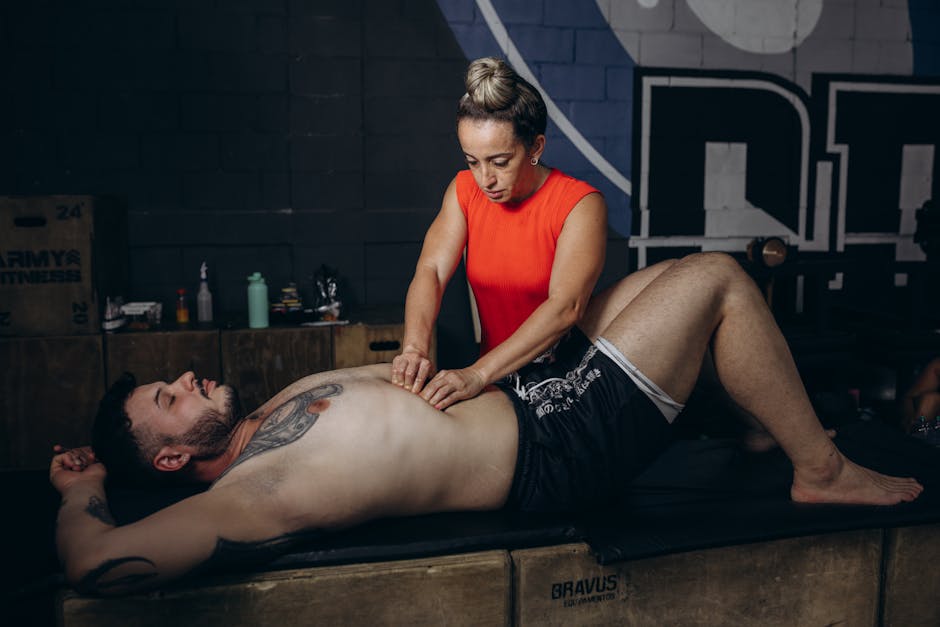
Think you can skip deload weeks and keep pushing harder? After 35, that strategy is a recipe for joint pain and stalled progress. Deloads are no longer optional – they're crucial for sustainable strength and muscle gains.
Reduce Injury Risk (Especially Joint Pain)
Intense training creates micro-trauma in muscles and connective tissues. While this is necessary for growth, cumulative stress without adequate recovery increases the risk of overuse injuries, especially in joints. Research shows that older adults exhibit reduced collagen synthesis rates after exercise compared to younger individuals, making them more susceptible to joint issues.
Men over 35 often experience decreased joint lubrication and cartilage resilience due to age-related changes. This makes them more vulnerable to injuries like tendonitis and osteoarthritis. Continuing to push heavy weights without deloading exacerbates these issues.
A deload week provides an opportunity for these tissues to repair, reducing inflammation and restoring joint health. Lowering volume and intensity significantly decreases the stress on tendons, ligaments, and cartilage.
The Fix
THE FIX: Reduce training volume (sets x reps) by 50% and intensity (weight lifted) by 20-30% for one week. Focus on controlled movements and perfect form during the deload.
Improve Long-Term Muscle Growth
Overtraining inhibits muscle protein synthesis, hindering growth. Prolonged periods of high-intensity training elevate cortisol levels, a catabolic hormone that breaks down muscle tissue. A study in the Journal of Strength and Conditioning Research found that chronic cortisol elevation impairs muscle recovery and growth.
As men age, their hormonal environment shifts. Testosterone levels may decline, and cortisol sensitivity can increase. This makes them more susceptible to the negative effects of overtraining.
Deload weeks allow cortisol levels to normalize, creating a more anabolic environment for muscle growth. When you return to training after a deload, your muscles are more responsive to the stimulus, leading to greater gains.
The Fix
THE FIX: Increase your protein intake to 1.8-2.2g per kg of bodyweight during your deload week. Prioritize high-quality protein sources like whey protein or lean meats.
Prevent Training Plateaus After 35
The body adapts to consistent training stress, eventually leading to plateaus. When you continuously subject your muscles to the same stimulus, they become less responsive. This is why many lifters hit a wall and stop seeing progress.
Older athletes often find it harder to break through plateaus due to slower recovery and reduced adaptive capacity. Stubbornly sticking to the same routine amplifies the problem.
Deload weeks disrupt this adaptation cycle by introducing a period of reduced stress. This 'resets' your body's sensitivity to training, allowing you to overcome plateaus and continue making progress when you resume your regular program.
The Fix
THE FIX: Use the deload week to experiment with mobility exercises. Focus on areas where you feel tight or restricted. Perform 10-15 minutes of targeted stretching daily.
Active Recovery is Better Than Complete Rest
While rest is important, complete inactivity can actually hinder recovery. Light activity promotes blood flow to muscles, delivering nutrients and removing waste products. A study published in the Journal of Sports Sciences found that active recovery is more effective than passive recovery for reducing muscle soreness and improving subsequent performance.
Men over 35 may experience increased stiffness and reduced mobility with prolonged inactivity. This is due to age-related changes in connective tissue.
Active recovery during a deload week can help maintain mobility, reduce stiffness, and accelerate the recovery process. This could be as simple as walking, swimming, or light cycling.
The Fix
THE FIX: Incorporate 30-45 minutes of light cardio, such as walking or cycling, on most days of your deload week. Keep the intensity low enough that you can easily hold a conversation.
How Often Should You Deload?
The frequency of deload weeks depends on your training intensity, volume, and recovery capacity. However, a general guideline is to deload every 8-12 weeks.
Older lifters may benefit from more frequent deloads (e.g., every 6-8 weeks) due to slower recovery rates. Listen to your body and adjust the frequency based on your individual needs.
Pay attention to signs of overtraining, such as persistent fatigue, decreased performance, and increased irritability. These are indicators that a deload is needed.
The Fix
THE FIX: Track your workout performance (weight lifted, reps performed) and subjective feelings (energy levels, soreness). If you notice a consistent decline in performance or a significant increase in soreness, schedule a deload week.
What I Use
Here’s my gear if you’re curious. No pressure.


FAQ
Can I still lift weights during a deload week?
Yes, but reduce the weight significantly (20-30%) and focus on perfect form. The goal is to stimulate muscles without causing excessive stress.
What should I eat during a deload week?
Maintain a balanced diet with adequate protein (1.8-2.2g/kg), carbohydrates, and healthy fats. Ensure sufficient calorie intake to support recovery, but don't drastically increase it.
Free: 7-Day Fat Burn Kickstart Plan
From Our Network
Get Your Free 12-Week Workout Program
Designed specifically for men over 35 who want to build muscle and lose fat safely.
No spam. Unsubscribe anytime.