May 20, 2026 · By Talhah Bilal, ISSA-CPT
Zinc Boost: Testosterone Support After 35 (Simple)
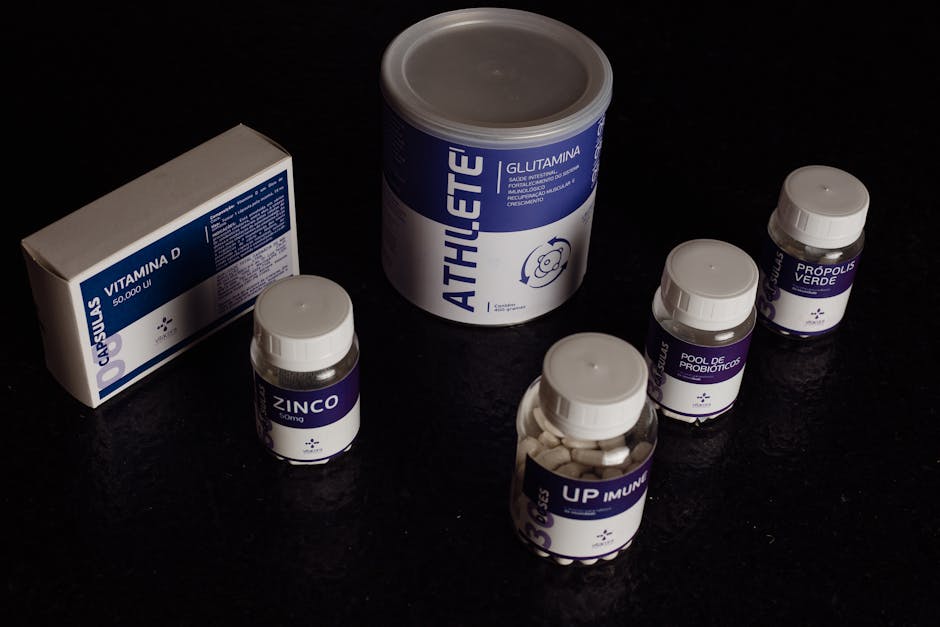
Testosterone levels naturally decline after 30, and zinc plays a crucial role in hormone production. But simply popping zinc pills won't cut it. This guide reveals the real science behind zinc and how to optimize your intake for maximum T.
Why Zinc Matters for Testosterone Production
Zinc is an essential mineral involved in numerous bodily functions, including hormone production. Specifically, it plays a key role in the Leydig cells of the testes, which are responsible for synthesizing testosterone. Zinc also inhibits the aromatase enzyme, which converts testosterone into estrogen, effectively maintaining a healthier testosterone-to-estrogen ratio.
For men over 35, this is particularly important because natural testosterone production begins to decline. Maintaining adequate zinc levels can help mitigate this decline and support overall hormonal balance. Studies have shown that zinc deficiency is associated with lower testosterone levels.
Therefore, ensuring sufficient zinc intake is a proactive step toward maintaining hormonal health and vitality as you age.
The Fix
THE FIX: Get a blood test to check your zinc levels. If you're deficient, supplement with 15-30mg of zinc daily, depending on the severity of the deficiency. Retest after 3 months to assess progress.
Optimizing Zinc Absorption Through Diet
Dietary sources of zinc are crucial for maintaining adequate levels. Oysters are the richest source, followed by red meat, poultry, beans, nuts, and whole grains. However, the bioavailability of zinc from plant-based sources can be lower due to the presence of phytates, which inhibit absorption.
Men over 35 should prioritize consuming zinc-rich foods regularly. Including oysters or red meat a few times a week can significantly boost zinc intake. Additionally, consider soaking or sprouting beans and grains to reduce phytate content and improve zinc absorption.
Combining zinc-rich foods with vitamin C can also enhance absorption. For example, squeeze lemon juice over your oysters or pair your steak with a side of bell peppers.
The Fix
THE FIX: Incorporate oysters into your diet 1-2 times per week. Aim for 3-4 ounces per serving. If oysters aren't your thing, consume 6-8 ounces of lean red meat or poultry 3-4 times per week. Supplementing 500-1000mg vitamin C can aid zinc absorption when eating zinc rich foods.
The Right Way to Supplement with Zinc
If dietary intake is insufficient, zinc supplementation can be beneficial. However, it's crucial to choose the right form and dosage. Zinc picolinate and zinc citrate are generally better absorbed than zinc oxide. Furthermore, taking zinc on an empty stomach can sometimes cause nausea.
For men over 35, a daily dose of 15-30mg of supplemental zinc is usually sufficient to maintain healthy levels. However, it's essential to avoid exceeding 40mg per day for extended periods, as this can interfere with copper absorption.
Consider cycling your zinc supplementation, taking it for 2-3 months followed by a 1-month break to prevent any potential imbalances. Blood tests will give you insights if you need to cycle on and off, or if you need to supplement at all.
The Fix
THE FIX: Take 25mg of zinc picolinate daily with a meal. Monitor for any digestive discomfort. If you experience nausea, switch to zinc citrate or take it with a larger meal. Always consult with your doctor about supplementing and testing protocols.
The Zinc-Magnesium Connection for Hormonal Health
Zinc and magnesium work synergistically in the body, with both playing roles in testosterone production, sleep quality, and muscle function. Magnesium, in particular, is involved in over 300 enzymatic reactions, including those involved in hormone synthesis. A deficiency in magnesium can impair testosterone production and overall well-being.
For men over 35, combining zinc and magnesium supplementation can provide enhanced benefits. Studies suggest that magnesium supplementation can improve sleep quality, which indirectly supports testosterone production. Furthermore, magnesium can help alleviate muscle cramps and improve exercise performance.
Consider taking zinc and magnesium together before bed to optimize sleep and recovery.
The Fix
THE FIX: Take 25mg of zinc picolinate and 200mg of magnesium glycinate 30-60 minutes before bed. Monitor your sleep quality and adjust the dosage as needed. Note: some people may experience loose stools with magnesium supplementation.
Avoiding Zinc Overload: The Copper Connection
While zinc is essential, excessive intake can interfere with copper absorption. Copper is another essential mineral that plays a role in immune function, energy production, and iron metabolism. A zinc-induced copper deficiency can lead to anemia and other health problems.
Men over 35 should be mindful of their zinc intake, especially if they are supplementing. High-dose zinc supplementation (above 50mg per day) for extended periods can significantly reduce copper levels. The symptoms of a copper deficiency can sometimes mimic zinc deficiencies.
To prevent copper deficiency, ensure you're also consuming copper-rich foods like shellfish, nuts, seeds, and organ meats. Consider taking a multivitamin that contains copper if you're supplementing with high doses of zinc.
The Fix
THE FIX: If you're taking more than 30mg of zinc daily, incorporate copper-rich foods into your diet, such as 2-3 Brazil nuts per day. You may also wish to consider a low-dose multivitamin to ensure you are meeting your copper needs.
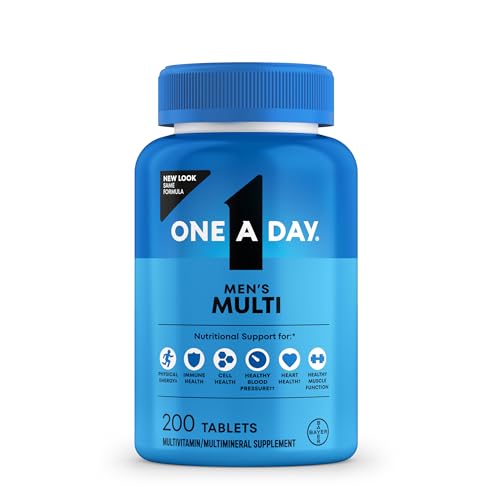
What I Use
Here’s my gear if you’re curious. No pressure.


FAQ
Can zinc supplementation cure low testosterone?
Zinc supplementation may help increase testosterone levels in individuals who are deficient in zinc. However, it's not a guaranteed cure for low testosterone, and other factors may be involved.
What are the symptoms of zinc deficiency?
Symptoms of zinc deficiency can include hair loss, impaired immune function, loss of appetite, and decreased sense of taste and smell. A blood test can confirm zinc levels.
Free: 7-Day Fat Burn Kickstart Plan
From Our Network