This article contains affiliate links. If you purchase through these links, we may earn a commission at no extra cost to you. Full disclosure
Why a Home Gym Is the Best Investment for Men Over 35
Time is your most valuable asset after 35. A 30-minute commute to the gym, plus 60 minutes of training, plus a shower—that's 2 hours gone. A home gym cuts that to 60 minutes flat. You save 10+ hours per month, which compounds to 120+ hours per year. That's 25 solid training weeks you get back.
Beyond time, a home gym solves a crucial problem for aging athletes: consistency. If your gym is 10 minutes away instead of 30, you're far more likely to stick with your training. Consistency beats intensity for long-term muscle and strength gains.
This guide covers everything you need to build a functional, progressive home gym, regardless of budget. We'll start with the bare-minimum essentials (what you actually need) and scale up through three budget tiers: $200, $500, and $1,000+.
The Non-Negotiable Core: What You Actually Need
You don't need much to build serious strength and muscle at home. Here's the absolute minimum:
1. A Barbell and Plates
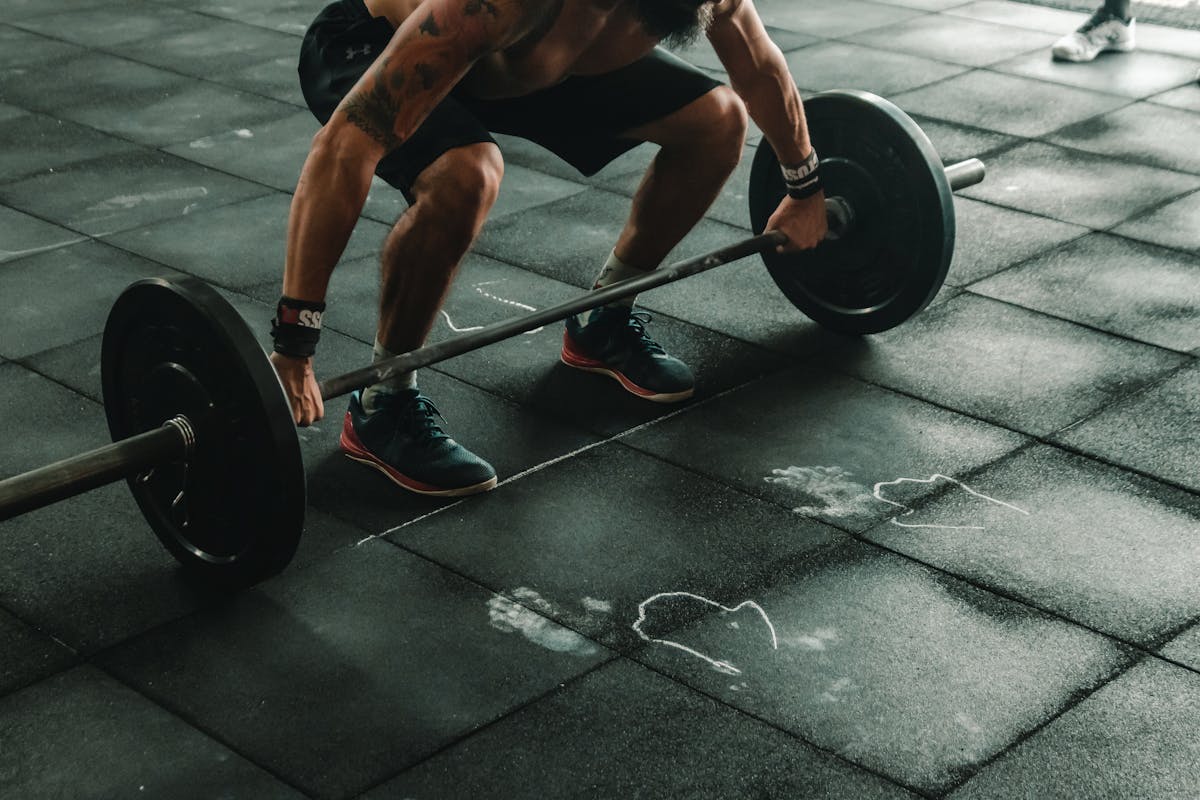
A barbell allows you to perform all five compound lifts that drive muscle and strength: squats, deadlifts, bench press, overhead press, and rows. The CAP Barbell 300 lb Weight Set is the best entry-level option: it includes a 45 lb barbell, collars, and enough plates to start your journey and progress for months.
$150-250
2. A Bench
For bench press and as a tool for dumbbell exercises. A simple flat bench without all the fancy adjustments works fine. Avoid adjustable benches for now—they're expensive and a basic bench covers 90% of your needs.
$80-150
3. A Pull-Up Bar
For pull-ups, chin-ups, and hanging core work. A doorway pull-up bar (no installation needed) is cheap and effective. This one movement solves your back pulling work.
$30-50
Total Minimum Investment: $260-450. This gets you compound barbell work (lower body, upper body pressing and pulling) and fills 80% of your training needs.
Can you build an impressive physique with just this? Absolutely. Thousands of men train this way and achieve excellent results. Progression comes from adding weight to the bar, not from new equipment.
The Full Budget Tiers
Tier 1: The Bare Essentials ($200-400)
Your Shopping List
- CAP Barbell 300 lb Set - $150-200
- Flat Weight Bench - $80-120
- Doorway Pull-Up Bar - $30-40
- FITFORT Resistance Bands Set - $20-30
What You Get
All five compound movements (squat, deadlift, bench press, overhead press, row), pull-ups, and resistance band work for supplemental exercises. This covers 85% of an effective training program.
What's Missing
Dumbbells (optional—barbell work covers your needs). Advanced accessories. But you won't miss them.
Tier 2: The Practical Setup ($500-800)
Your Shopping List (Builds on Tier 1)
- Everything from Tier 1
- Bowflex SelectTech 552 Dumbbells - $250-300
- TriggerPoint Foam Roller - $30-40
- Yoga Mat (6mm) - $30-50
- Lifting Belt - $40-60
- Ab Mat or Roman Chair - $50-100
What You Get
Everything from Tier 1, plus adjustable dumbbells (game-changer for space efficiency and progression), recovery tools (foam roller), and accessories for weak point training and core work. This is a complete, professional-grade home gym.
Why Bowflex SelectTech?
Adjustable dumbbells are expensive, but SelectTech dumbbells let you adjust weight via a dial system in 2.5 lb increments up to 52.5 lbs per hand. You get the equivalent of 12+ pairs of traditional dumbbells in the space of 2 dumbbells. Expensive upfront, but worth every penny if you have space constraints or want smooth progression.
Tier 3: The Premium Setup ($1,000-1,500+)
Your Shopping List (Builds on Tier 2)
- Everything from Tier 2
- Amazon Basics Kettlebell (35-50 lbs) - $40-60
- - $80-120
- Cable Machine or Pulley System - $200-400
- Power Rack (Optional) - $250-400
- - $300-500
- Mirror (8ft x 4ft) - $100-150
- Supplemental Machines (ab wheel, pull-down, etc.) - $100-200
What You Get
Everything from Tier 2, plus specialized equipment for advanced training: leg press, cable work for isolation, kettlebells for explosive power and conditioning, organized storage, and mirrors to check form. This is a commercial-grade home gym.
The Truth About Tier 3
If you're serious about long-term training (10+ years), Tier 3 makes sense. But honestly? Most men will never need beyond Tier 2. A barbell, dumbbells, bench, pull-up bar, and bands cover 95% of effective training. The fancy equipment is nice, but it's optional.
The Critical Piece: Progressive Overload in a Home Gym
Many guys get stuck at home because they think they've "hit the ceiling" on weight. They max out the weight their bar or dumbbells allow. But that's a limiting mindset. Here's how to keep progressing:
Method 1: Progressive Plate Loading (Barbell)
Start with 300 lbs of plates. Hit compound lifts hard. When the weight feels too light, buy more plates. Total investment to go from 300 lbs to 500 lbs? Maybe $100-150. You can scale your barbell indefinitely. Most men over 35 never need more than 400-500 lbs total for squats and deadlifts.
Method 2: Adjustable Dumbbells (Best for Space)
This is why Bowflex SelectTech 552s are genius. You adjust weight via dial. You never hit a ceiling. Progression is smooth and continuous.
Method 3: Resistance Bands
Bands are highly underrated. They provide variable resistance (harder at the top of a movement, easier at the bottom), which is actually superior for joint health. Stack multiple FITFORT resistance bands together to increase resistance. They weigh nothing, cost $20, and provide years of progression.
Method 4: Advanced Rep Ranges
You don't always need heavier weight. Lower reps (3-5) with heavy weight builds strength. Higher reps (8-15) with moderate weight builds muscle and endurance. Change your rep range every 4 weeks. This is called "periodization" and it prevents plateaus.
Method 5: Density Training
Do the same weight and reps, but in less time. Week 1: 5 sets of 5 squats with 225 lbs in 20 minutes. Week 2: Same weight and reps, but in 18 minutes. That's progression without adding weight.
Space Considerations: Making It Work in Small Apartments
Don't have a basement or garage? No problem. A home gym works in:
Small Apartment (1-2 Bedrooms) — Minimal setup: barbell, dumbbells, bench. Store the barbell vertically (against the wall). Dumbbells take minimal space. Total floor space needed: 8x8 feet. You can train in your living room.
Master Bedroom Closet — Seriously. Hang resistance bands and store plates in a compact rack. Barbell disassembles for storage. Some guys train in their bedroom corner.
Garage (Ideal) — If you have garage access, you have room. Even a single-car garage is huge. Invest in flooring (rubber mats or plywood with rubber) to protect the floor and dampen noise.
Outdoor Space — Backyard, patio, driveway. Weather-resistant equipment (stainless steel bars, rubber plates) survives outdoors fine.
Pro Tips for Small Spaces
- Use adjustable dumbbells (takes 1/10 the space of traditional dumbbells)
- Wall-mount your pull-up bar
- Store a bench vertically (lean it against the wall)
- Use a compact barbell (shorter bars exist)
- Resistance bands weigh nothing and store in a drawer
The Essential Accessories (Don't Skip These)
Foam Roller (TriggerPoint) — For muscle recovery and mobility work. 10 minutes with a foam roller before training improves mobility and reduces injury risk dramatically. $30-40, lasts years.
Resistance Bands (FITFORT Loops) — Cheap, portable, versatile. Use them for warm-ups, accessory exercises, and band-resisted training. $20-30 for a set of 5.
Lifting Belt — For heavy squats and deadlifts, a 4-inch leather belt increases intra-abdominal pressure and lets you lift heavier safely. Use on your heaviest sets only. $40-80.
Yoga Mat — For core work, stretching, and floor exercises. Also protects your floor from dropped weights. $30-50.
Flooring (Optional but Smart) — Rubber mats or stall mats (4x8 feet, 3/4 inch thick) protect your floor and dampen noise. If you drop a heavy barbell on hardwood, it's expensive. Rubber mats cost $50-100 per mat and last forever.
Get Your Free 12-Week Workout Program
Designed specifically for men over 35 who want to build muscle and lose fat safely.
No spam. Unsubscribe anytime.
The Tier 2 Setup In Practice: A Complete Home Gym Walkthrough
Let's say you start with $600 and have a 10x10 foot space (garage corner, spare room, etc.). Here's what you buy and why:
Barbell & Plates ($200) — CAP Barbell 300 lb set. Covers all compound movements.
Adjustable Dumbbells ($300) — Bowflex SelectTech 552s. Smooth progression, minimal space.
Bench ($100) — Basic flat bench. Solid, simple, effective.
Pull-Up Bar ($30) — Doorway bar, no installation.
Foam Roller ($35) — TriggerPoint.
Resistance Bands ($25) — FITFORT set.
Miscellaneous ($20 - yoga mat, gloves, etc.)
Total: $710
This setup allows you to:
- Barbell squat, deadlift, bench press, overhead press, rows (all 5 compounds)
- Dumbbell pressing, rowing, accessory work
- Pull-ups and chin-ups
- Band-resisted work
- Foam rolling for recovery
- Progressive overload on every movement (adjustable dumbbells, more barbell plates when needed)
This is a complete, professional training environment. Many advanced lifters train with exactly this setup and build impressive physiques and strength levels.
Equipment to Avoid (Waste of Money)
Ab Machines — You don't need them. Compound lifts build core strength. Ab wheels, cable crunches, or bodyweight work is free or cheap.
Leg Abductor/Adductor Machines — Hip thrusts with a barbell on your lap work better. Or use resistance bands.
Expensive Adjustable Benches — A $50 flat bench does 90% of what a $500 adjustable bench does. Skip the bells and whistles.
Cheap Resistance Bands — Invest in quality bands that don't snap. FITFORT or Fit Simplify are solid.
Multi-Gym Cable Systems (Budget Versions) — Low-end cable machines are flimsy. If you must buy cable equipment, invest in quality. Otherwise, stick to barbell and dumbbells.
The Phased Approach: Build Your Gym Over Time
You don't need to buy everything at once. Smart guys buy strategically:
Month 1: Barbell set + bench + pull-up bar ($300). Start training now. You have 95% of what you need.
Month 3: Resistance bands + foam roller ($50). After 3 months of training, you have the cash. They enhance recovery and warmups.
Month 6: Adjustable dumbbells ($300). After 6 months, you know you're serious about this. Dumbbells unlock new exercise variations and progression paths.
Month 9+: Specialty equipment if you want it (kettlebells, more plates, mirrors, flooring). But you don't need any of this.
This phased approach spreads cost, lets you validate you'll actually train before investing heavily, and keeps things fresh (new equipment stays motivating).
Maintenance and Longevity
Quality equipment lasts decades if maintained:
- Barbell: Wipe clean after use (salt from sweat corrodes). Oil occasionally. A quality barbell (CAP, Rogue, York) lasts 20+ years.
- Dumbbells: Store in a cool, dry place. No special maintenance. Last indefinitely.
- Bench: Wipe down after sweaty sessions. Tighten bolts every 6 months. Replace padding if it deteriorates (cheap to fix).
- Resistance Bands: Store away from direct sunlight. They degrade over years (5-10 year lifespan typical). Cheap to replace.
- Flooring: Rubber mats absorb impact and last 10+ years. Replace when they compress/wear.
Final Thoughts: Your Home Gym Is An Asset
A home gym isn't a "lesser" alternative to a commercial gym. It's actually superior for aging athletes: no commute, complete control of your environment, no noise restrictions, privacy, and consistency.
Start with a barbell. Add plates as you get stronger. Get adjustable dumbbells when you want variety. That's it. You'll build an impressive physique, incredible strength, and sustainable training habits.
The best gym is the one you'll actually use. For most men over 35, that's the one in your home.
Get Your Free 12-Week Workout Program
Download our complete beginner program, exercise video library, and nutrition guide — designed for men over 35.
Get Free Access